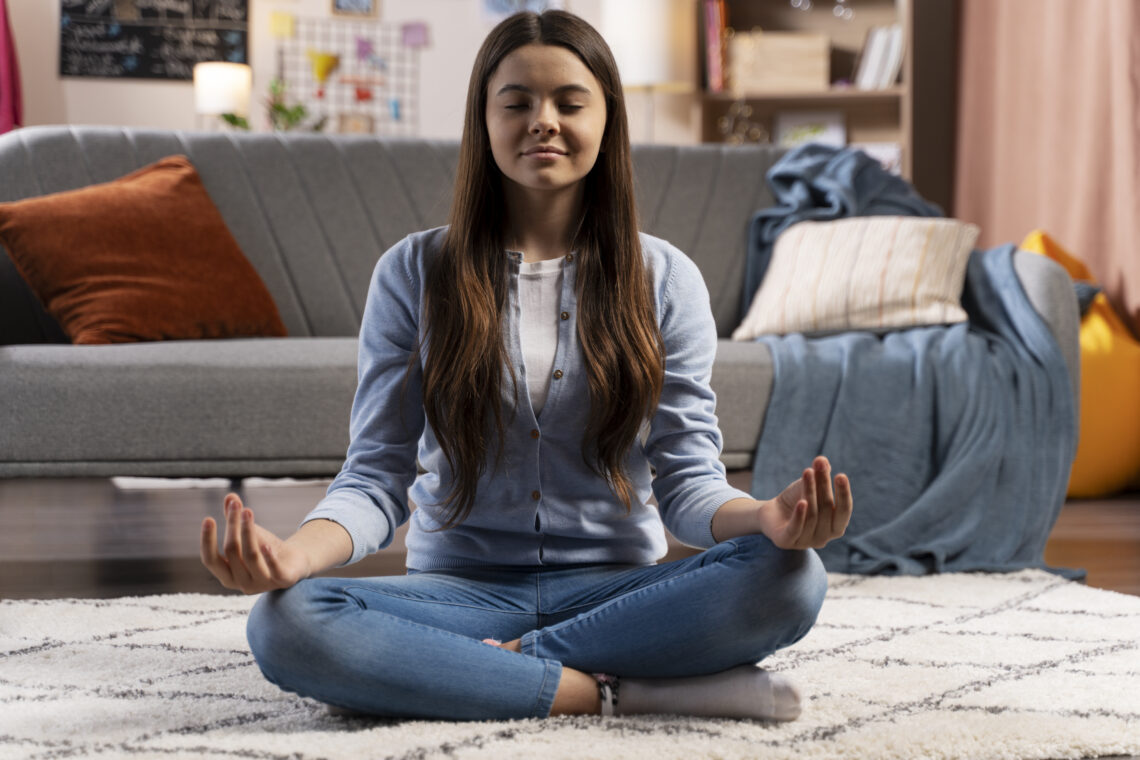
In today’s fast-paced world, stress has become a common companion in our daily lives. From work deadlines to personal responsibilities, finding a method to relax and regain balance is essential. One of the most effective ways to reduce stress naturally is through meditation. Learning how to meditate for stress relief can transform your mental and physical well-being, providing clarity, focus, and a sense of calm. This comprehensive guide explores effective meditation techniques, tips for beginners, and the science behind stress reduction.
How to Meditate for Stress Relief.
Meditation is more than just sitting quietly—it’s a practice that trains the mind to focus, calm down, and release tension. Scientific studies have shown that meditation can:
- Lower cortisol levels – The body’s primary stress hormone.
- Reduce anxiety and depression – Promotes emotional regulation and a positive mindset.
- Improve sleep quality – Calms the nervous system and prepares the mind for rest.
- Enhance focus and productivity – Improves attention and mental clarity.
By learning how to meditate for stress relief, you can incorporate a daily habit that combats stress at its root.
🧘♂️ 1. Choose the Right Environment
Creating a peaceful environment is the first step to effective meditation. Consider the following:
- Quiet Space: Find a place free from distractions, whether it’s a room in your home, a garden, or even a quiet corner.
- Comfortable Seating: Sit on a cushion, chair, or yoga mat with your spine upright but relaxed.
- Natural Elements: Soft lighting, candles, or plants can create a calming atmosphere.
A comfortable and quiet environment helps you focus and fully experience the benefits of meditation.
🌬️ 2. Focus on Your Breath
One of the simplest and most effective ways to meditate is to concentrate on your breathing. Here’s how:
- Inhale Slowly: Breathe in deeply through your nose for 4-5 seconds.
- Hold: Pause for a moment, holding your breath gently.
- Exhale Slowly: Release the breath through your mouth or nose, letting go of tension.
- Repeat: Continue this rhythm for 5-15 minutes.
Focusing on your breath calms the mind, slows down the heart rate, and reduces stress hormones. This technique is a core component of how to meditate for stress relief.
🌬️ 2. Focus on Your Breath.
One of the simplest and most effective ways to meditate is to concentrate on your breathing. Here’s how:
- Inhale Slowly: Breathe in deeply through your nose for 4-5 seconds.
- Hold: Pause for a moment, holding your breath gently.
- Exhale Slowly: Release the breath through your mouth or nose, letting go of tension.
- Repeat: Continue this rhythm for 5-15 minutes.
Focusing on your breath calms the mind, slows down the heart rate, and reduces stress hormones. This technique is a core component of how to meditate for stress relief.
🧘♀️ 3. Try Guided Meditation.
For beginners, guided meditation can be particularly helpful. These sessions are led by experienced instructors who provide instructions and visualization exercises. Benefits include:
- Ease of Learning: Helps beginners stay focused and engaged.
- Variety of Techniques: Options include body scan, mindfulness, loving-kindness, and deep relaxation.
- Accessibility: Apps like Headspace, Calm, and Insight Timer offer free and paid guided sessions.
Using guided meditation allows you to build a meditation habit while learning different stress-relief techniques.
🧘 4. Practice Mindfulness Meditation.
Mindfulness meditation involves observing your thoughts without judgment and returning your focus to the present moment. Here’s how to start:
- Observe Thoughts: Notice thoughts and emotions as they arise.
- Acknowledge and Release: Accept them without attachment and let them pass.
- Refocus: Gently return attention to your breath, bodily sensations, or a chosen anchor.
Mindfulness meditation is particularly effective for reducing anxiety and increasing resilience against stress, making it a key aspect of how to meditate for stress relief.
🧘♂️ 5. Use Visualization Techniques.
Visualization involves imagining peaceful or positive scenes to relax the mind and body. Tips include:
- Picture a Calm Place: Imagine a beach, forest, or mountain setting.
- Engage Your Senses: Visualize sounds, smells, and textures to immerse yourself fully.
- Combine with Breathing: Sync deep breaths with your visualization for enhanced relaxation.
Visualization helps distract from stressors and promotes a sense of inner calm.
⏱️ 6. Start Small and Be Consistent.
For beginners, it’s important to start with short sessions and gradually increase the duration:
- 5-10 Minutes Daily: A manageable starting point to form a habit.
- Gradual Increase: Extend to 20-30 minutes as you become more comfortable.
- Consistency Matters: Daily practice is more effective than occasional long sessions.
Consistency is the key to experiencing lasting benefits and truly mastering how to meditate for stress relief.
🧠 7. Incorporate Meditation into Daily Life.
Beyond formal sessions, meditation can be integrated into daily routines:
- Mindful Walking: Focus on each step, breath, and your surroundings.
- Mindful Eating: Pay attention to taste, texture, and the experience of eating.
- Short Breathing Breaks: Pause during work to take a few deep breaths and reset your mind.
✅ Conclusion.
Learning how to meditate for stress relief is a simple yet powerful way to regain calm in a busy, stressful world. By creating a peaceful environment, focusing on breath, using guided or mindfulness techniques, and practicing consistently, you can reduce anxiety, improve mental clarity, and enhance overall well-being. Meditation is not a quick fix but a lifelong tool for managing stress and cultivating inner peace.
Start today with just a few minutes, and gradually make meditation a part of your daily routine for a calmer, healthier, and more focused life.