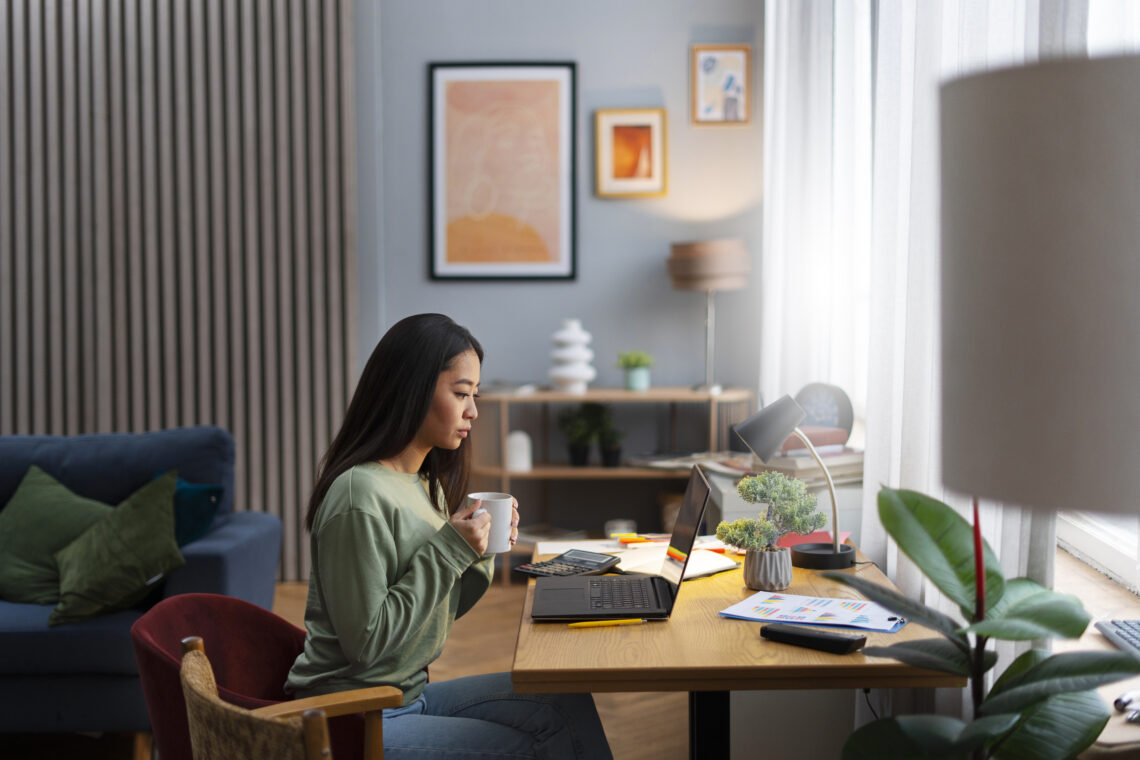
In 2025, the trend of working from home continues to thrive, making a functional and inspiring home office more essential than ever. Whether you’re setting up a dedicated room or carving out a corner in your living space, a well-designed workspace can boost productivity and creativity. The good news? You don’t need a hefty budget to create a stylish and efficient home office. Here are some innovative DIY home office setup ideas to help you get started.
🧠 1. Define Your Workspace Needs
Before diving into design, assess your work habits and requirements:
- Primary Tasks: Do you primarily use a computer, or do you need space for paperwork, crafting, or meetings?
- Space Availability: Are you working with a dedicated room, a nook, or a shared space?
- Storage Requirements: Consider how much storage you’ll need for documents, supplies, or equipment.
Understanding these factors will guide your design choices and ensure your home office meets your specific needs.
🛠️ 2. Budget-Friendly Furniture Hacks
Creating a functional workspace doesn’t have to be expensive. Consider these DIY furniture ideas:
- IKEA Pax Hack: Transform IKEA Pax wardrobes into a built-in desk with additional storage. This project involves using plywood for the desk surface and customizing the wardrobes with paint and panel coverings to match your style. Better Homes & Gardens
- Under-Stair Office: Utilize underused spaces like the area beneath your stairs. With some basic tools and creativity, you can convert this space into a cozy and functional home office. The Sun
- Closet Office (Cloffice): If you’re short on space, consider turning a closet into a home office. This involves installing a desk, shelves, and lighting within the closet, effectively creating a private workspace. Architectural Digest
🌿 3. Personalise with DIY Decor
Adding personal touches can make your workspace more inviting:
- Wall Art: Create your own artwork or download free prints from online museums. Frame them to add character to your walls. Room For Tuesday
- Lighting: Use string lights, desk lamps, or LED strips to add warmth and reduce eye strain.
- Plants: Incorporate low-maintenance plants like succulents or snake plants to improve air quality and add a touch of greenery.
📦 4. Optimize Storage Solutions
Keeping your workspace organized is key to maintaining productivity:
- Floating Shelves: Install floating shelves above your desk to store books, decor, or office supplies without taking up floor space.
- Storage Bins: Use labeled bins or baskets to keep cables, documents, and other items neatly stored.
- Repurpose Items: Old jars, cans, or boxes can be transformed into stylish organisers with a bit of paint or wrapping paper.
🖥️ 5. Ergonomics and Comfort
A comfortable workspace can enhance focus and reduce strain:
- Chair: Invest in a comfortable chair with proper lumbar support. If the budget is tight, consider adding a cushion or lumbar pillow to your existing chair.
- Desk Height: Ensure your desk is at a comfortable height to prevent strain on your wrists and back.
- Monitor Position: Position your monitor at eye level to reduce neck strain. Use books or adjustable stands to achieve the right height.
🖼️ 6. Inspiration from Real Transformations
Looking for more ideas? Check out these inspiring DIY home office transformations:
- Architectural Digest: Home Office Makeovers
- The Spruce: Budget Home Office Ideas
- Pinterest: DIY Home Office & Craft Room Ideas
FAQ
-
What is the best office layout for productivity?
Hybrid office layouts are best suited for flexible work. They combine multiple setups, such as hot desks, collaboration areas, and private spaces, to accommodate diverse work styles. Supported by desk booking systems, they give employees freedom to choose where and how they work while optimizing space usage.25 Sept 2025
-
How to design a home office space that boosts productivity and well-being?
How to design a home office that increases productivity and …
As such, some points must be taken into account:
Ensure that there are clear boundaries between work and personal life.
Choose locations with good natural lighting.
Avoid busy areas prone to distractions.
Make sure that the space is ergonomic and allows all the necessary elements to be included.
-
What is the 3 3 3 rule for productivity?
The 3-3-3 Method: The Easiest Way to Prioritize Your Day
The 3-3-3 rule for productivity is a time management strategy that breaks the day into three parts: dedicate three hours to your most important project, complete three shorter, urgent tasks, and do three “maintenance” activities that keep your life running smoothly. This method, often attributed to author Oliver Burkeman, helps create focus, reduce overwhelm by breaking down large tasks, and ensure that a productive day includes both deep work and necessary upkeep
🎯 Final Thoughts
Creating a DIY home office setup is an opportunity to design a space that reflects your personality and meets your work needs. By repurposing furniture, adding personal decor, and optimizing storage, you can build a functional and stylish workspace without breaking the bank. Remember, the key is to start with a plan, work within your budget, and make the space your own. Happy building!